Tell us about the job
Takes about a minute. No obligation.
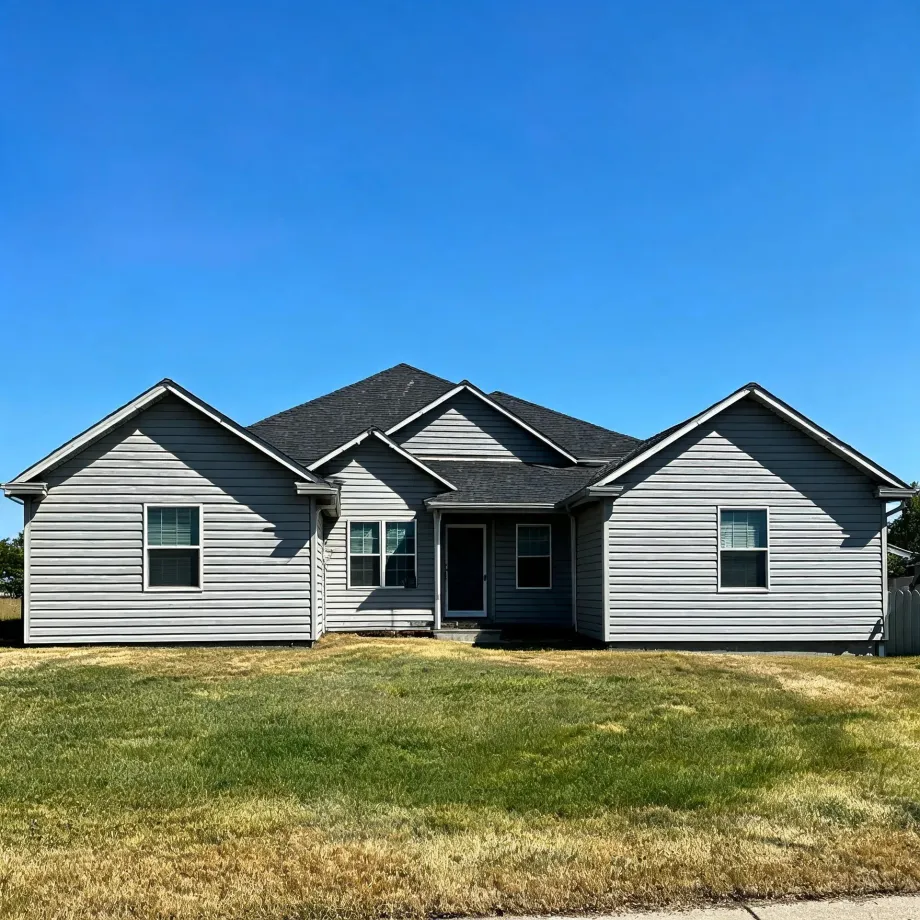
A contractor quoting a central AC repair in Washington County has to start with a different set of questions than they would in most of the state. Homes in Washington County, ME have essentially no cooling season — no month of the year is warm enough to call for it. A compressor here has had almost no seasonal starts to accumulate, which means worn contacts, degraded capacitors, or a low refrigerant charge are more likely culprits than raw runtime wear. Long idle periods let moisture work into electrical connections and let refrigerant leaks go undetected until the first day someone actually switches the unit on. The contractor checks the contactor and the capacitor early, because those are what sit unused and then fail on demand.
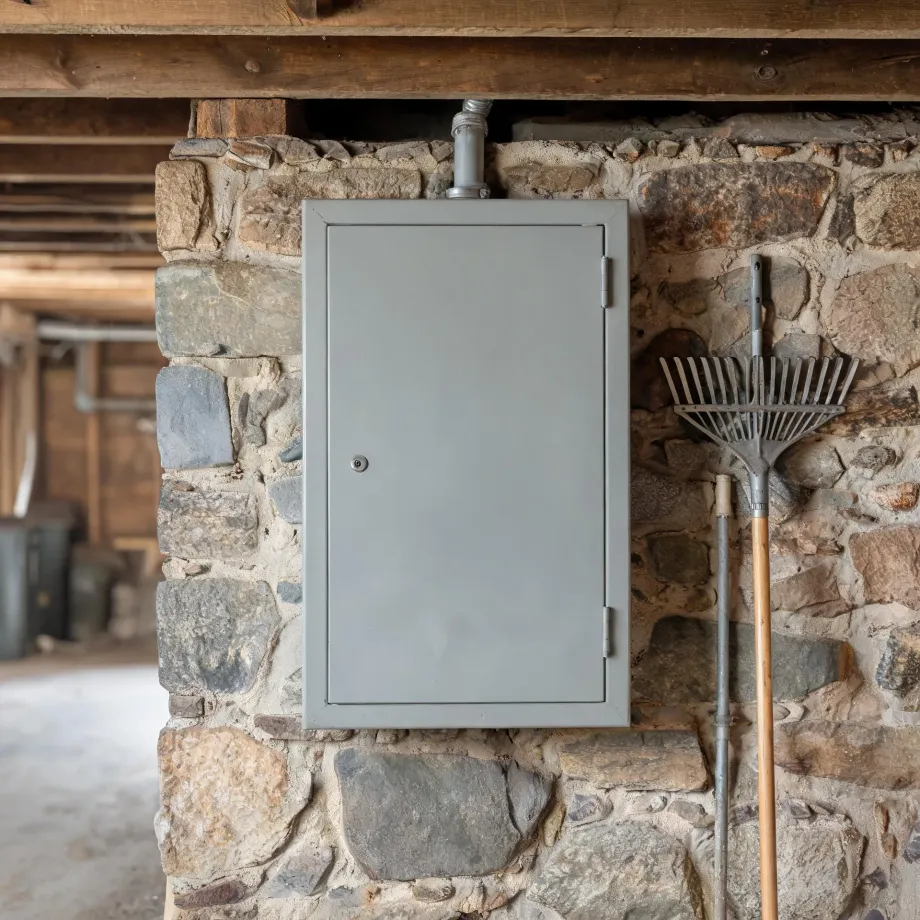
Ductwork laid down for a system that no longer exists, wiring updated in pieces across ownership changes, a compressor or air handler installed sometime between then and now: this is what a repair call in Washington County tends to reveal once a contractor opens the equipment. Half the homes in Washington County, Maine were built in 1975 or earlier (2020-2024 ACS 5-year). That gap between the building and what runs in it matters for repair work specifically because the parts a contractor needs once the unit is open may belong to a product line that has moved on. If a coil or a control board is no longer made, the repair becomes a replacement conversation regardless of what else the system looks like.
The Parts of a Central AC a Contractor Checks First
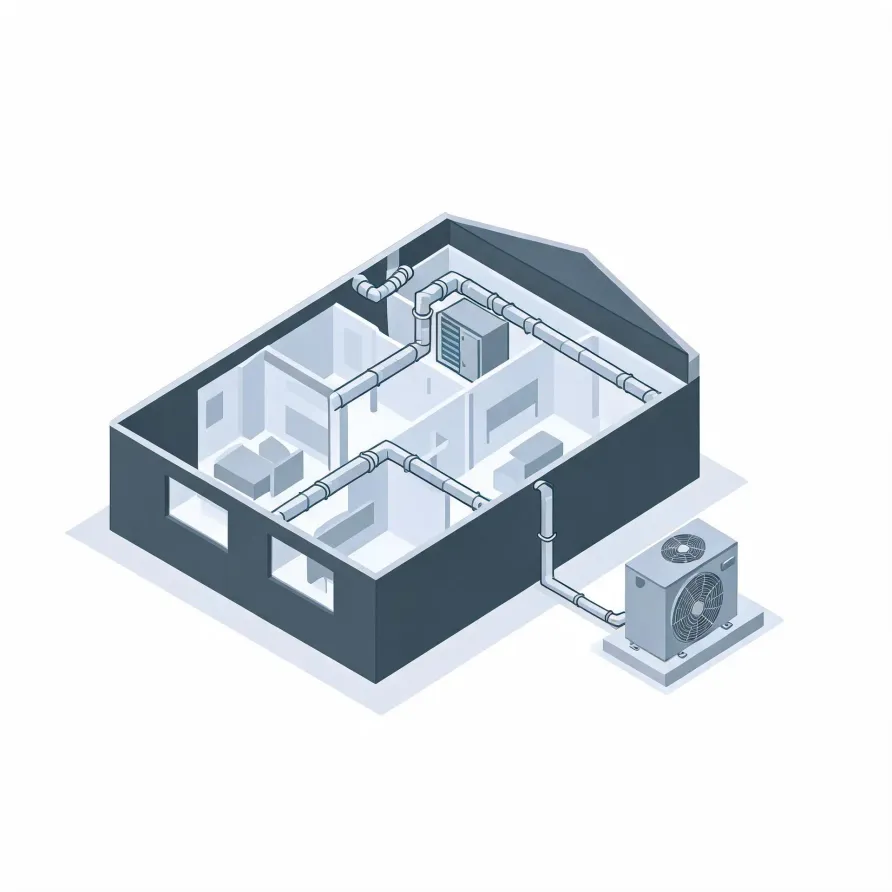
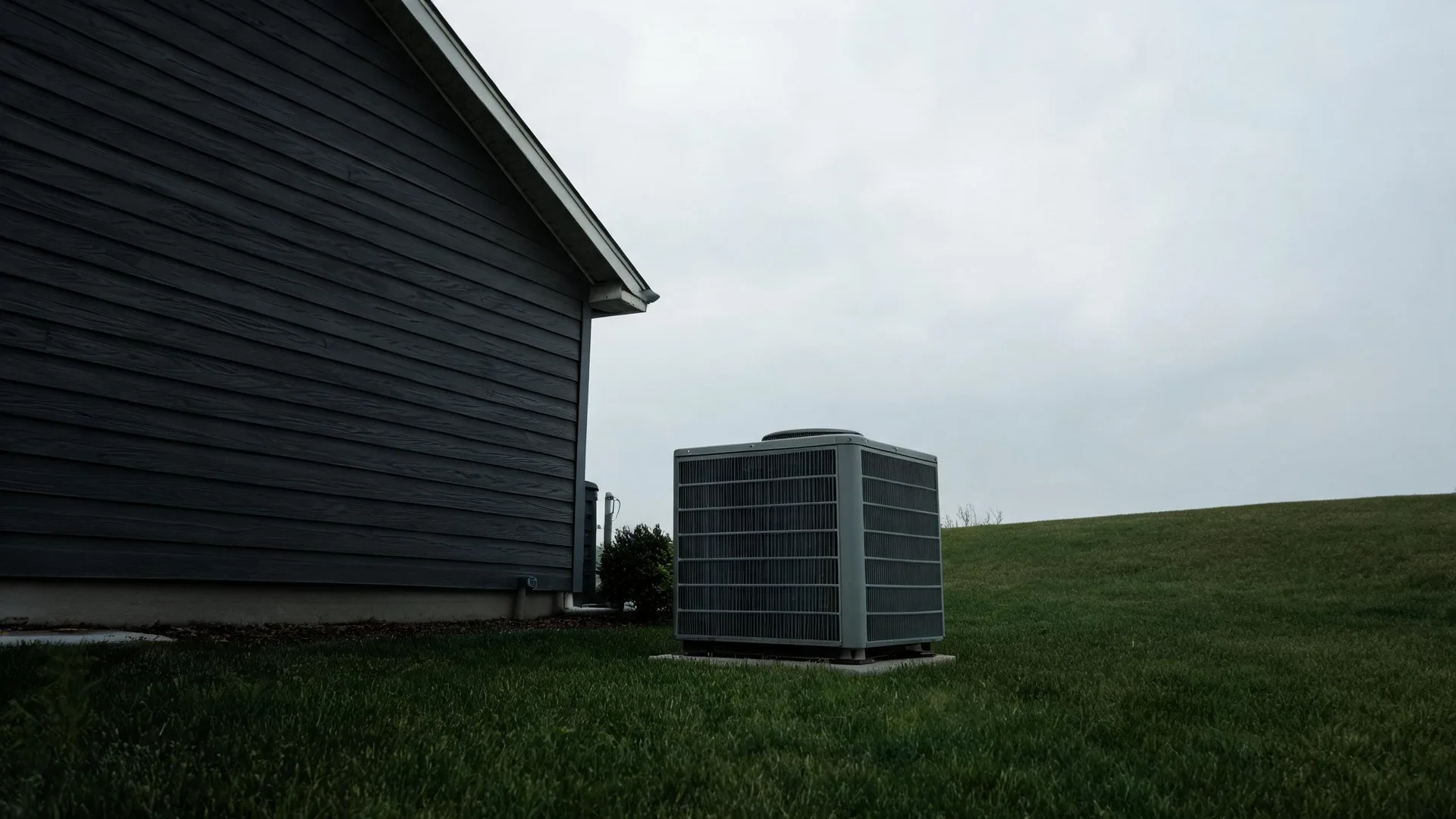
The outdoor condenser unit sits outside the house, usually on a concrete pad beside the foundation, and it carries the compressor and the condenser coil. These are the pieces a contractor reaches first when a system stops cooling, because the compressor does the heaviest work in the system and the condenser coil sheds heat to the outside air. A failed compressor or a fouled coil shows up fast in how the system performs.
Inside the house, the air handler holds the evaporator coil and the blower fan, typically in a basement, utility closet, or attic. The evaporator coil pulls heat out of the indoor air, and the blower moves that air through the house. The expansion valve, which sits between the two coils and controls refrigerant flow, is a smaller but common point of failure that a contractor checks alongside them.
The drawing shows a representative layout of these components, and a licensed contractor determines exactly what applies to your house and system.
Find a contractor in Washington CountyWashington County, Maine, by the numbers
206 severe weather events were recorded in Washington County, Maine between 2015 and 2024.
NOAA National Centers for Environmental Information, Storm Events Database, bulk CSV export, events 2015-01-01 through 2024-12-31.Half the homes in Washington County, Maine were built in 1975 or earlier (2020-2024 ACS 5-year).
U.S. Census Bureau, 2020-2024 American Community Survey 5-Year EstimatesWashington County, Maine holds 21,726 housing units (2020-2024 ACS 5-year).
U.S. Census Bureau, 2020-2024 American Community Survey 5-Year EstimatesOwners occupy 79.7% of the occupied homes in Washington County, Maine (2020-2024 ACS 5-year).
U.S. Census Bureau, 2020-2024 American Community Survey 5-Year EstimatesRules & Standards Behind Central AC Repair in Washington County, Maine9 sourced rules and standards
What HVAC Repair Looks Like in Washington County
Split-system central air conditioners rated below 45,000 Btu/h manufactured on or after January 1, 2023 must meet a federal minimum of 13.4 SEER2.
Split-system central air conditioners rated at or above 45,000 Btu/h manufactured on or after January 1, 2023 must meet a federal minimum of 13.4 SEER2.
Split-system central air conditioners manufactured between January 1, 2015 and December 31, 2022 had to meet 13 SEER, the metric that preceded SEER2.
Single-package central air conditioners manufactured on or after January 1, 2023 must meet a federal minimum of 13.4 SEER2.
Space-constrained central air conditioners manufactured on or after January 1, 2023 must meet a federal minimum of 11.7 SEER2.
Federal efficiency standards for split-system central air conditioners and heat pumps are set on each certified combination of outdoor unit and indoor coil rather than on the outdoor unit alone.
Residential and light commercial air conditioning and heat pump systems assembled in the field, including mini-splits and unitary systems, may not be installed on or after January 1, 2025 using a refrigerant with a global warming potential above 700.
A field-assembled system whose specified components were all manufactured or imported before January 1, 2025 carries no installation compliance date under the refrigerant restrictions and may still be installed.
Licensing and Legal Requirements in Washington County, Maine
Maine licenses the fuel-burning side of heating rather than HVAC as a trade: a Maine Fuel Board licence is required to install or service solid fuel, oil, propane or natural gas burning equipment, including pellet-fired central heating appliances. Air conditioning is not named anywhere in the chapter.
Severe Weather Events in Washington County
Storms, heat, and cold put hours on HVAC equipment that calmer conditions never would. How hard that load runs in Washington County shapes what kind of repair work the equipment here actually needs.
206 severe weather events, 2015–2024. Source: NOAA National Centers for Environmental Information, Storm Events Database.